Advertisements
Advertisements
प्रश्न
How are the sperms formed?
Advertisements
उत्तर
Testes contain numerous seminiferous tubules. Germ cells present in the tubules divide by meiosis to produce sperms.
APPEARS IN
संबंधित प्रश्न
Mention the functions of Testis.
What is semen?
Describe the functions of the following:
ovary
Write the functions of Seminal vesicle
Name the secondary sex organs in males.
Identify the condition in wtrich the testis fails to descend from abdomen into scrotum, leading to sterility.
In the given diagram represents the
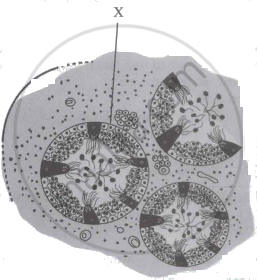
Identify the correct sequence of layers that cover the testis (outside to inside).
The ejaculatory ducts open into the ______.
Seminal plasma in human males is rich in ______.
In the following Question, the Assertion and Reason have been put forward. Read the statements carefully and choose the correct alternative from the following:
Assertion: In the male reproductive system, the transport of sperm takes place in a fluid that also provides nutrition.
Reason: Protective glands and seminal vesicles secret in the vas deferens.
During adolescence, several changes occur in the human body. Mark one change associated with sexual maturation in boys
In human males, the testes lie in the scrotum, because it helps in the
What are the components of semen?
What is the length of the sperm?
Given below is a certain situation. Analyze and describe its possible impact on a person:
Prostate and seminal vesicles are not functional.
Give significance of Leydig's cells.
What is the significance of Testes being placed in Scrotal sacs?
Write important function of the following:
Testis
