Advertisements
Advertisements
प्रश्न
Distinguish between:
Animal life in India and animal life in Brazil.
अंतर स्पष्ट करें
Advertisements
उत्तर
| Sr. No. | Animal life in India | Animal life in Brazil |
| 1. | Snow leopards and yaks are found in the snow-capped regions of the Himalayas, while Indian bison, deer, antelopes and monkeys are found in the Peninsular region. In the hot, humid forests, elephants are found in large numbers. In the arid lands, wild ass and camels are found. | Guinea pigs, crocodiles, alligators, monkeys, pumas, leopards, golden lion tamarins, etc., are found in Brazil. |
| 2. | In the swampy and marshy lands of Assam, one-horned rhinoceroses are found. | In the swampy areas of the Pantanal, huge anacondas are found. |
| 3. | Many turtles, crocodiles, and gavials (Gharials) are found in rivers, estuaries, and coastal areas. | Swordfish are found in the seas, while pink dolphins and piranhas are found in the rivers. |
| 4. | A variety of birds, such as peacocks, the Great Indian bustard, Kingfishers, peafowls, ducks, parakeets, cranes, and pigeons, are found in the forests and wetlands of India. | Major bird species such as macaws, flamingos, various parrots, and condors are found in Brazil. |
shaalaa.com
क्या इस प्रश्न या उत्तर में कोई त्रुटि है?
APPEARS IN
संबंधित प्रश्न
Answer the following question briefly.
What is a bio-reserve? Give two examples.
Gir National Park is found in ______.
______ and ______ Island has the minimum area under forest cover.
What is the natural habitat of elephant?
Which are the most majestic animals among the mammals? Where are they found?
What are the steps taken by the government to protect flora and fauna?
Name some Bird sanctuaries in India.
Explain the steps taken to conserve wildlife.
Show the following animals in outline map of India with the help of signs and symbols according to their habitats.
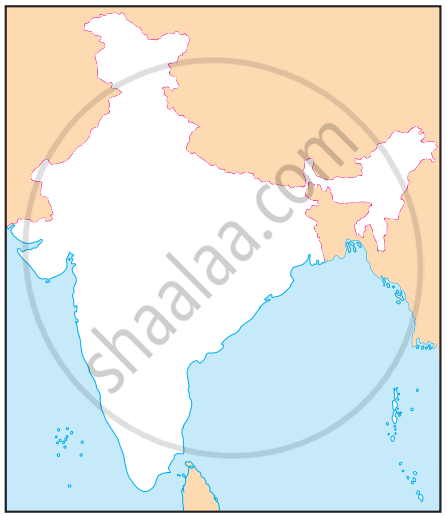
- Bengal Tiger
- Lion
- Great Indian Bustard
- Gangetic Dolphin
- Olive Ridley turtles
- Swamp deers
- One-horned rhinos
- Crocodiles
- Nilgiri Tahr goat
- Gharials (Alligators)
Answer the following questions.
- Correlate geographical conditions and the flora and fauna there.
- Do you know some other animals too?
- Show the habitats of tigers in India with their names on a map.
- Why is their habitat found in these regions?
Match the columns:
| Column ‘A’ | Column ‘B’ |
| (a) Evergreen Forests | (i) Sundar trees |
| (b) Deciduous Forests | (ii) Pine |
| (c) Coastal Forests | (iii) Pau Brasil |
| (d) Himalayan Forests | (iv) Khejadi |
| (e) Thorny and bush-type vegetation | (v) Teak |
| (vi) Orchid | |
| (vii) Sal |
