Advertisements
Advertisements
प्रश्न
Observe the image given below and answer the questions that follow:
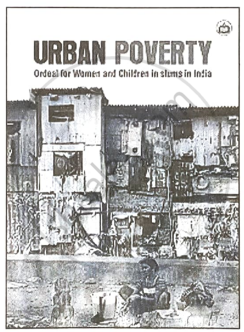
(Source: Urban poverty by Dr. Priyanka Bhau and Prof. Jasbir Singh)
- Interpret any three major causes of poverty in urban India. [3]
- Discuss any four measures taken by the Government of India to reduce poverty. [4]
Advertisements
उत्तर
(a) The image shows urban poverty in India, with falling homes and horrible living conditions in slums. Poverty poses significant challenges for women and children in urban India.
Three Major Causes of Urban Poverty in India.
Urban poverty is a significant issue in India, affecting millions of people who travel to cities for better opportunities but end up living in slums and poor conditions. Here are three main reasons:
- Mass Migration & Unemployment: Rural citizens come to cities for jobs, yet limited opportunities can lead to unemployment or low-paying informal sector occupations. Many people wind up in low-wage jobs, such as street vending or construction, that lack job security and social benefits. Low incomes and rising urban costs lead to crowded slums with poor living conditions.
- High Cost of Living & Income Inequality: Cities have greater costs of living, including housing, food, transportation, and healthcare, compared to rural locations, leading to income inequality. Many urban poor earn only enough to exist without saving, trapping them in poverty. Income disparity is a significant concern, with the rich getting richer and the poor getting poorer. The poor struggle to obtain basic necessities.
- Lack of Basic Services & Infrastructure: Slum people often lack access to basic services and infrastructure, including clean water, sanitation, healthcare, and education. Poor infrastructure, including dangerous housing, inadequate drainage, and limited electricity, can make living difficult for the urban poor. Families struggle to break free from poverty without access to education and healthcare.
(b) The Indian government has established poverty reduction programs to benefit economically disadvantaged individuals. These policies prioritize creating jobs, developing rural areas, providing homes, and ensuring social security.
- Integrated Rural Development Programme (IRDP): Launched in 1978-79, aims to create self-employment options for persons below the poverty line, with a focus on agricultural laborers, small and marginal farmers, and rural craftsmen. Additionally, Scheduled Castes (SCs) and Scheduled Tribes (STs) receive 50% of the benefits to promote social fairness and inclusive growth.
- Jawahar Gram Samridhi Yojana: Now called Sampoorna Grameen Rozgar Yojana, was previously known as the Jawahar Rozgar Yojana. The initiative aims to create jobs in rural areas through community-based projects. The program offers job possibilities to persons living below the poverty line and allocates 3% of cash to create accessible infrastructure for the disabled.
- Pradhan Mantri Grameen Awaas Yojana: Launched in 2015, aims to provide free or subsidised accommodation to rural BPL families. The program combines government subsidies, private sector cooperation, and affordable housing plans to provide secure and durable homes for those in need.
- National Social Assistance Programme (NSAP): Introduced in 1995, the National Social Assistance Programme (NSAP) provides financial stability to vulnerable groups such as widows, disabled individuals, and the elderly.
- National Old Age Pension Scheme: It provides financial assistance to needy senior persons.
- The National Maternity Benefit Scheme: It offers cash support to economically disadvantaged women during pregnancy and childbirth.
- National Family Benefit Scheme: Grants We will provide ₹ 10,000 to families who have lost their principal wage earner, providing financial help during times of need.
These programs have greatly decreased poverty and improved the quality of life for millions of poor people in India. However, there are still challenges that prevent inclusive economic growth and sustainable poverty elimination.
