Advertisements
Advertisements
प्रश्न
List any three major causes of loss of biodiversity.
Discuss any three major causes of loss of biodiversity.
Discuss any four causes for the loss of biodiversity.
Advertisements
उत्तर १
- Habitat loss and fragmentation - The most significant factor contributing to the extinction of both plants and animals is the destruction of their habitats. Human activities that fragment large habitats into smaller pieces have a detrimental impact, particularly affecting mammals and birds that rely on expansive territories, as well as animals with migratory habits. This results in a decline in their populations.
- Over-exploitation - Humans rely on nature for food and shelter, but greed often leads to the degradation and extinction of natural resources.
- Co-extinction - When a species goes extinct, the plant and animal species linked to it also face inevitable extinction. For instance, in the scenario of a co-evolved plant pollinator, the extinction of one species inevitably results in the extinction of the other.
उत्तर २
- Loss of habitat or habitat alteration: A habitat is a place in which an organism lives. Habitats are an important component of an ecosystem. Loss of habitat is one of the greatest threats to biodiversity. Habitat loss is directly linked to human-induced pressures on land. Assemblages of species and their interactions with the ecosystems are critical for not only saving the species but also for their successful future evolution. In the event of alterations, either within species groups, or within the environment, entire ecosystem can begin to change. Alterations to ecosystems are a critical factor contributing to species and habitat loss. Habitat loss and degradation have affected 89% of all threatened birds, 83% of mammals, and 91 % of all threatened plants assessed globally. The main causes of habitat loss are agricultural activities, mining, development of human settlements, industry, etc.
- Overharvesting: Overharvesting, i.e., overhunting, overfishing, or over-collecting a species, can quickly lead to its decline. Changing human consumption patterns is often cited as the key reason for the unsustainable exploitation of natural resources.
- Introduction of alien species or invasive species: The introduction of exotic species that replace native and local species is cited as the second largest cause of biodiversity loss. Alien invasive species replace and often result in the extinction of the native species. The annual economic damage caused by invasive plant and animal species is very high.
- Pollution: Biological systems respond slowly to changes in their surrounding environment. Pollution and contamination cause irreversible damage to the species.
- Global climate change: Because many types of plants and animals have specific habitat requirements, climate change can cause disastrous loss to the species. A slight drop or rise in average rainfall can translate into large seasonal changes. Species may be harmed or disturbed by these changes. Both climate variability and climate change cause biodiversity loss. Species and populations may be lost permanently if they are not provided with enough time to adapt to changing climatic conditions.
Notes
Students should refer to the answer according to their questions.
APPEARS IN
संबंधित प्रश्न
Substantiate with the help of one example that in an ecosystem mutualists
are also one of the major causes of biodiversity loss.
With the help of any one example explain Alien species invasion as one of the causes of Biodiversity losses.
______ refers to the conservation of endangered species outside their natural habitats.
The Red List of threatened species is published by ______.
Which among the following is an exception to invasive species?
'The Evil Quartet' is a concept which describes the ______.
Which of the following is not a cause for loss of biodiversity?
The extinction of passenger pigeon was due to ______.
Which of these is NOT amongst the effects of loss of biodiversity?
What is common to the following plants: Nepenthes, Psilotum, Rauwolfia and Aconitum?
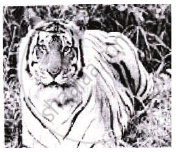
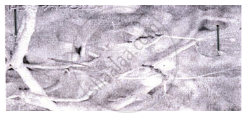
What is common to the species shown in figures A and B?
 |
 |
| A | B |
Though the conflict between humans and wildlife started with the evolution of man, the intensity of conflict has increased due to the activities of modern man. Justify your answer with suitable examples.
The species placed in CR category is ______.
Which of the following suits hotspots in ecological terminology?
Gametes of threatened species can be preserved in viable and fertile conditions for long periods using ______.
Western Ghats have a large number of plant and animal species that are not found anywhere else. Which of the following terms will you use to notify such species?
When a species goes extinct in one area, it is often desirable to re-introduce the species from other populations. A major problem with this approach is that ______.
Match the species in Column I with its category in Column II.
| Column I | Column II |
| A. Rare species | I. No species |
| B. Vulnerable species | II. Facing a high risk of extinction |
| C. Endangered species | III. Localised species |
| D. Extinct species | IV. Species under threat |
Choose the correct answer from the options given below.
Red Data Book is maintained by ______.
Which one of the following groups faces maximum threat of extinction?
What are the reasons for loss of biodiversity?
These are regarded as major causes of biodiversity loss:
- Over exploitation
- Co-extinction
- Mutation
- Habitat loss and fragmentation
- Migration
Choose the correct option:
Which IUCN category describes species facing an 'extremely high risk of extinction in the immediate future'?
Which IUCN category is assigned to a species for which inadequate information is available for proper assessment?
Which of the following species pairs are examples of 'Extinct in the Wild' (EW) category?
Which of the following is an example of a species in the 'Least Concern' (LC) IUCN category?
