Advertisements
Advertisements
| Usually, when school began, there was a great bustle, which could be heard out in the street, the opening and closing of desks, lessons repeated in unison, very loud, with our hands over our ears to understand better, and the teacher's great ruler rapping on the table. But now it was all so still! I had counted on the commotion to get to my desk without being seen; but, of course, that day everything had to be as quiet as Sunday morning. Through the window, I saw my classmates, already in their places, and M. Hamel walking up and down with his terrible iron ruler under his arm. I had to open the door and go in before everybody. You can imagine how I blushed and how frightened I was. |
What is the author describing in the passage?
Concept: undefined >> undefined
| (1) | "Who doesn't know how to cook rice? Cooking rice hardly takes time," said my father. So, I challenged myself. I switched from news to You Tube and typed, "How to cook rice?" I took one and a half cups of rice. Since I didn't have access to a rice cooker, I put the rice in a big pot. Firstly, the rice has to be washed to get rid of dust and starch. I thought I won't be able to drain the rice and that it will fall out of the pot. I observed the chef as I swirled the rice around and used my dexterous hands to drain it, not once, not twice, but three times. I looked down at the sink and saw less than 50 grains that made their way out of the pot. Suffice to say, I was up to the mark. |
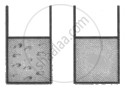
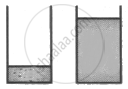
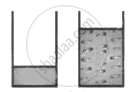
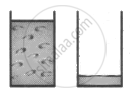
| (2) | The video stated that the key to perfect rice is equal amount of rice and water. I have heard that professionals don't need to measure everything; they just know what the right amount is. But as this was my first time in the kitchen, I decided to experiment by not measuring the water needed for boiling the rice. I wanted the rice to be firm when bitten, just like pasta. I don't enjoy the texture of mushy rice. It has to have that chutzpah; it has to resist my biting power just for a bit before disintegrating. |
| (3) | After what seemed like 10 minutes, all the water disappeared. I went in to give it a good stir. To my surprise, some of the rice got stuck to the pot. I tried to scrape it off but to no avail. At the same time, there was a burning smell coming from it. I quickly turned the stove off. "What have you done to the kitchen?" My mother shouted while coming towards the kitchen. I managed to ward her off. |
| (4) | Finally, when the time came to taste my creation, I was surprised! It wasn't bad at all. The rice had the desired consistency. Sure, a little more salt would've been better, but I just added that while eating. The experience was fairly rewarding and memorable. It taught me a new sense of respect for those who cook food on a regular basis at home or are engaged in gourmet creations professionally. |
Father's question to the narrator, about knowing how to cook rice, was intended to ______.
Concept: undefined >> undefined
Advertisements
| Usually, when school began, there was a great bustle, which could be heard out in the street, the opening and closing of desks, lessons repeated in unison, very loud, with our hands over our ears to understand better, and the teacher's great ruler rapping on the table. But now it was all so still! I had counted on the commotion to get to my desk without being seen; but, of course, that day everything had to be as quiet as Sunday morning. Through the window, I saw my classmates, already in their places, and M. Hamel walking up and down with his terrible iron ruler under his arm. I had to open the door and go in before everybody. You can imagine how I blushed and how frightened I was. |
The noise made by students inside the school could be heard ______.
Concept: undefined >> undefined
| (1) | "Who doesn't know how to cook rice? Cooking rice hardly takes time," said my father. So, I challenged myself. I switched from news to You Tube and typed, "How to cook rice?" I took one and a half cups of rice. Since I didn't have access to a rice cooker, I put the rice in a big pot. Firstly, the rice has to be washed to get rid of dust and starch. I thought I won't be able to drain the rice and that it will fall out of the pot. I observed the chef as I swirled the rice around and used my dexterous hands to drain it, not once, not twice, but three times. I looked down at the sink and saw less than 50 grains that made their way out of the pot. Suffice to say, I was up to the mark. |
| (2) | The video stated that the key to perfect rice is equal amount of rice and water. I have heard that professionals don't need to measure everything; they just know what the right amount is. But as this was my first time in the kitchen, I decided to experiment by not measuring the water needed for boiling the rice. I wanted the rice to be firm when bitten, just like pasta. I don't enjoy the texture of mushy rice. It has to have that chutzpah; it has to resist my biting power just for a bit before disintegrating. |
| (3) | After what seemed like 10 minutes, all the water disappeared. I went in to give it a good stir. To my surprise, some of the rice got stuck to the pot. I tried to scrape it off but to no avail. At the same time, there was a burning smell coming from it. I quickly turned the stove off. "What have you done to the kitchen?" My mother shouted while coming towards the kitchen. I managed to ward her off. |
| (4) | Finally, when the time came to taste my creation, I was surprised! It wasn't bad at all. The rice had the desired consistency. Sure, a little more salt would've been better, but I just added that while eating. The experience was fairly rewarding and memorable. It taught me a new sense of respect for those who cook food on a regular basis at home or are engaged in gourmet creations professionally. |
Based on your understanding of the passage, choose the option that lists the correct sequence of the process.
- Use water to wash the rice.
- Repeat the process three times.
- Drain the water off.
- Put rice in a utensil.
- Swirl the rice around in water.
Concept: undefined >> undefined
| Usually, when school began, there was a great bustle, which could be heard out in the street, the opening and closing of desks, lessons repeated in unison, very loud, with our hands over our ears to understand better, and the teacher's great ruler rapping on the table. But now it was all so still! I had counted on the commotion to get to my desk without being seen; but, of course, that day everything had to be as quiet as Sunday morning. Through the window, I saw my classmates, already in their places, and M. Hamel walking up and down with his terrible iron ruler under his arm. I had to open the door and go in before everybody. You can imagine how I blushed and how frightened I was. |
What would the teacher do with his great ruler?
Concept: undefined >> undefined
| Usually, when school began, there was a great bustle, which could be heard out in the street, the opening and closing of desks, lessons repeated in unison, very loud, with our hands over our ears to understand better, and the teacher's great ruler rapping on the table. But now it was all so still! I had counted on the commotion to get to my desk without being seen; but, of course, that day everything had to be as quiet as Sunday morning. Through the window, I saw my classmates, already in their places, and M. Hamel walking up and down with his terrible iron ruler under his arm. I had to open the door and go in before everybody. You can imagine how I blushed and how frightened I was. |
The author says: Through the window, I saw my classmates, already in their places, and ______.
What do you mean by this sentence?
Concept: undefined >> undefined
| Usually, when school began, there was a great bustle, which could be heard out in the street, the opening and closing of desks, lessons repeated in unison, very loud, with our hands over our ears to understand better, and the teacher's great ruler rapping on the table. But now it was all so still! I had counted on the commotion to get to my desk without being seen; but, of course, that day everything had to be as quiet as Sunday morning. Through the window, I saw my classmates, already in their places, and M. Hamel walking up and down with his terrible iron ruler under his arm. I had to open the door and go in before everybody. You can imagine how I blushed and how frightened I was. |
Read the line: 'You can imagine how I blushed and how frightened I was.' - What does the author mean by 'blushed'?
Concept: undefined >> undefined
| (1) | "Who doesn't know how to cook rice? Cooking rice hardly takes time," said my father. So, I challenged myself. I switched from news to You Tube and typed, "How to cook rice?" I took one and a half cups of rice. Since I didn't have access to a rice cooker, I put the rice in a big pot. Firstly, the rice has to be washed to get rid of dust and starch. I thought I won't be able to drain the rice and that it will fall out of the pot. I observed the chef as I swirled the rice around and used my dexterous hands to drain it, not once, not twice, but three times. I looked down at the sink and saw less than 50 grains that made their way out of the pot. Suffice to say, I was up to the mark. |
| (2) | The video stated that the key to perfect rice is equal amount of rice and water. I have heard that professionals don't need to measure everything; they just know what the right amount is. But as this was my first time in the kitchen, I decided to experiment by not measuring the water needed for boiling the rice. I wanted the rice to be firm when bitten, just like pasta. I don't enjoy the texture of mushy rice. It has to have that chutzpah; it has to resist my biting power just for a bit before disintegrating. |
| (3) | After what seemed like 10 minutes, all the water disappeared. I went in to give it a good stir. To my surprise, some of the rice got stuck to the pot. I tried to scrape it off but to no avail. At the same time, there was a burning smell coming from it. I quickly turned the stove off. "What have you done to the kitchen?" My mother shouted while coming towards the kitchen. I managed to ward her off. |
| (4) | Finally, when the time came to taste my creation, I was surprised! It wasn't bad at all. The rice had the desired consistency. Sure, a little more salt would've been better, but I just added that while eating. The experience was fairly rewarding and memorable. It taught me a new sense of respect for those who cook food on a regular basis at home or are engaged in gourmet creations professionally. |
Which option represents the correct ratio of water to rice for cooking 'perfect rice'?
 |
 |
| (1) | (2) |
 |
 |
| (3) | (4) |
Concept: undefined >> undefined
| While I was thinking of all this, I heard my name called. It was my turn to recite. What would I not have given to be able to say that dreadful rule for the participle all through, very loud and clear, and without one mistake? But I got mixed up on the first words and stood there, holding on to my desk, my heart beating, and not daring to look up. I heard M. Hamel say to me, "I won't scold you, little Franz; you must feel bad enough. See how it is! Every day we have said to ourselves, 'Bah! I've plenty of time. I'll leam it tomorrow.' And now you see where we've come out. Ah, that's the great trouble with Alsace; she puts off learning till tomorrow. Now those fellows out there will have the right to say to you, 'How is it: you pretend to be Frenchmen, and yet you can neither speak nor write your own language?' But you are not the worst, poor little Franz. We've all a great deal to reproach ourselves with." |
What happened to the author when he stuck up on the first words while reciting?
Concept: undefined >> undefined
| (1) | "Who doesn't know how to cook rice? Cooking rice hardly takes time," said my father. So, I challenged myself. I switched from news to You Tube and typed, "How to cook rice?" I took one and a half cups of rice. Since I didn't have access to a rice cooker, I put the rice in a big pot. Firstly, the rice has to be washed to get rid of dust and starch. I thought I won't be able to drain the rice and that it will fall out of the pot. I observed the chef as I swirled the rice around and used my dexterous hands to drain it, not once, not twice, but three times. I looked down at the sink and saw less than 50 grains that made their way out of the pot. Suffice to say, I was up to the mark. |
| (2) | The video stated that the key to perfect rice is equal amount of rice and water. I have heard that professionals don't need to measure everything; they just know what the right amount is. But as this was my first time in the kitchen, I decided to experiment by not measuring the water needed for boiling the rice. I wanted the rice to be firm when bitten, just like pasta. I don't enjoy the texture of mushy rice. It has to have that chutzpah; it has to resist my biting power just for a bit before disintegrating. |
| (3) | After what seemed like 10 minutes, all the water disappeared. I went in to give it a good stir. To my surprise, some of the rice got stuck to the pot. I tried to scrape it off but to no avail. At the same time, there was a burning smell coming from it. I quickly turned the stove off. "What have you done to the kitchen?" My mother shouted while coming towards the kitchen. I managed to ward her off. |
| (4) | Finally, when the time came to taste my creation, I was surprised! It wasn't bad at all. The rice had the desired consistency. Sure, a little more salt would've been better, but I just added that while eating. The experience was fairly rewarding and memorable. It taught me a new sense of respect for those who cook food on a regular basis at home or are engaged in gourmet creations professionally. |
Pick the option showing the CORRECT use of the word 'chutzpah'.
Concept: undefined >> undefined
| While I was thinking of all this, I heard my name called. It was my turn to recite. What would I not have given to be able to say that dreadful rule for the participle all through, very loud and clear, and without one mistake? But I got mixed up on the first words and stood there, holding on to my desk, my heart beating, and not daring to look up. I heard M. Hamel say to me, "I won't scold you, little Franz; you must feel bad enough. See how it is! Every day we have said to ourselves, 'Bah! I've plenty of time. I'll leam it tomorrow.' And now you see where we've come out. Ah, that's the great trouble with Alsace; she puts off learning till tomorrow. Now those fellows out there will have the right to say to you, 'How is it: you pretend to be Frenchmen, and yet you can neither speak nor write your own language?' But you are not the worst, poor little Franz. We've all a great deal to reproach ourselves with." |
What did M. Hamel say to the author when he failed to recite?
Concept: undefined >> undefined
| (1) | "Who doesn't know how to cook rice? Cooking rice hardly takes time," said my father. So, I challenged myself. I switched from news to You Tube and typed, "How to cook rice?" I took one and a half cups of rice. Since I didn't have access to a rice cooker, I put the rice in a big pot. Firstly, the rice has to be washed to get rid of dust and starch. I thought I won't be able to drain the rice and that it will fall out of the pot. I observed the chef as I swirled the rice around and used my dexterous hands to drain it, not once, not twice, but three times. I looked down at the sink and saw less than 50 grains that made their way out of the pot. Suffice to say, I was up to the mark. |
| (2) | The video stated that the key to perfect rice is equal amount of rice and water. I have heard that professionals don't need to measure everything; they just know what the right amount is. But as this was my first time in the kitchen, I decided to experiment by not measuring the water needed for boiling the rice. I wanted the rice to be firm when bitten, just like pasta. I don't enjoy the texture of mushy rice. It has to have that chutzpah; it has to resist my biting power just for a bit before disintegrating. |
| (3) | After what seemed like 10 minutes, all the water disappeared. I went in to give it a good stir. To my surprise, some of the rice got stuck to the pot. I tried to scrape it off but to no avail. At the same time, there was a burning smell coming from it. I quickly turned the stove off. "What have you done to the kitchen?" My mother shouted while coming towards the kitchen. I managed to ward her off. |
| (4) | Finally, when the time came to taste my creation, I was surprised! It wasn't bad at all. The rice had the desired consistency. Sure, a little more salt would've been better, but I just added that while eating. The experience was fairly rewarding and memorable. It taught me a new sense of respect for those who cook food on a regular basis at home or are engaged in gourmet creations professionally. |
Pick the option that correctly lists the final feelings of the writer with reference to the cooking experience.
- frustrating
- amusing
- satisfying
- disillusioning
- exacting
- enlightening
Concept: undefined >> undefined
| While I was thinking of all this, I heard my name called. It was my turn to recite. What would I not have given to be able to say that dreadful rule for the participle all through, very loud and clear, and without one mistake? But I got mixed up on the first words and stood there, holding on to my desk, my heart beating, and not daring to look up. I heard M. Hamel say to me, "I won't scold you, little Franz; you must feel bad enough. See how it is! Every day we have said to ourselves, 'Bah! I've plenty of time. I'll leam it tomorrow.' And now you see where we've come out. Ah, that's the great trouble with Alsace; she puts off learning till tomorrow. Now those fellows out there will have the right to say to you, 'How is it: you pretend to be Frenchmen, and yet you can neither speak nor write your own language?' But you are not the worst, poor little Franz. We've all a great deal to reproach ourselves with." |
The teacher said: 'Every day we have said to ourselves, 'Bah! I've plenty of time. I'll learn it tomorrow.' And now you see where we've come out.' - What does he mean through these lines?
Concept: undefined >> undefined
| (1) | "Who doesn't know how to cook rice? Cooking rice hardly takes time," said my father. So, I challenged myself. I switched from news to You Tube and typed, "How to cook rice?" I took one and a half cups of rice. Since I didn't have access to a rice cooker, I put the rice in a big pot. Firstly, the rice has to be washed to get rid of dust and starch. I thought I won't be able to drain the rice and that it will fall out of the pot. I observed the chef as I swirled the rice around and used my dexterous hands to drain it, not once, not twice, but three times. I looked down at the sink and saw less than 50 grains that made their way out of the pot. Suffice to say, I was up to the mark. |
| (2) | The video stated that the key to perfect rice is equal amount of rice and water. I have heard that professionals don't need to measure everything; they just know what the right amount is. But as this was my first time in the kitchen, I decided to experiment by not measuring the water needed for boiling the rice. I wanted the rice to be firm when bitten, just like pasta. I don't enjoy the texture of mushy rice. It has to have that chutzpah; it has to resist my biting power just for a bit before disintegrating. |
| (3) | After what seemed like 10 minutes, all the water disappeared. I went in to give it a good stir. To my surprise, some of the rice got stuck to the pot. I tried to scrape it off but to no avail. At the same time, there was a burning smell coming from it. I quickly turned the stove off. "What have you done to the kitchen?" My mother shouted while coming towards the kitchen. I managed to ward her off. |
| (4) | Finally, when the time came to taste my creation, I was surprised! It wasn't bad at all. The rice had the desired consistency. Sure, a little more salt would've been better, but I just added that while eating. The experience was fairly rewarding and memorable. It taught me a new sense of respect for those who cook food on a regular basis at home or are engaged in gourmet creations professionally. |
The narrator's creation was ______.
Concept: undefined >> undefined
| While I was thinking of all this, I heard my name called. It was my turn to recite. What would I not have given to be able to say that dreadful rule for the participle all through, very loud and clear, and without one mistake? But I got mixed up on the first words and stood there, holding on to my desk, my heart beating, and not daring to look up. I heard M. Hamel say to me, "I won't scold you, little Franz; you must feel bad enough. See how it is! Every day we have said to ourselves, 'Bah! I've plenty of time. I'll leam it tomorrow.' And now you see where we've come out. Ah, that's the great trouble with Alsace; she puts off learning till tomorrow. Now those fellows out there will have the right to say to you, 'How is it: you pretend to be Frenchmen, and yet you can neither speak nor write your own language?' But you are not the worst, poor little Franz. We've all a great deal to reproach ourselves with." |
The author is a ______.
Concept: undefined >> undefined
| (1) | Royal Bengal Tiger is the largest, fiercest, and powerful member of the Big Cat family in India. Royal Bengal Tigers, also known as Indian Tiger and Bengal Tiger, constitute a large population of tiger family in the world. It is the National animal of India and is found mostly in India, China, Bhutan, Bangladesh, and Burma. | ||||||||||||||||||||||||
| (2) | The biological name of this Big Cat is Panthera Tigris, which comes under the Felidae family under Mammalia category. | ||||||||||||||||||||||||
| (3) | No two Bengal tigers look alike! Every Bengal Tigers has a unique stripe pattern. Their colour ranges from yellow to light orange, with stripes from dark brown to black. Some of the Bengal Tigers are white in colour. The tail is orange in colour with black rings. Unlike the other White Tigers that have blue eyes, Bengal Tigers have yellow irises. They live for 10 to 15 years. | ||||||||||||||||||||||||
| (4) | Being fierce in nature, Royal Bengal Tigers are not much friendly in nature and live a solitary life, except in winters when they can be seen in a group of 3 or 4. Bengal tigers are fast runners and good swimmers. Tigers attack their prey in a stealth mode. They are usually spotted in swamps, mangroves, and grasslands. | ||||||||||||||||||||||||
| (5) | Royal Bengal Tigers have very sharp memory; they never forget the faces. Their memory is sharper than humans and other animals. | ||||||||||||||||||||||||
| (6) | We can find the largest population of Royal Bengal Tigers in India. As per the latest tiger census report 2017, there are 3,786 Royal Bengal Tigers in India. India has more than 75% of the total tiger population in the world. Along with India, neighbouring countries to India holds a somewhat decent population of Royal Bengal Tiger in the world. The latest census of the tigers in India and neighbouring countries are shown in the table.
|
||||||||||||||||||||||||
| (7) | To know about the latest tiger population is always government's concern, as they want to save this majestic animal from getting extinct. India has lost 97% of its Royal Bengal Tigers population in the last century. The main reason is Hunting, Poaching, Urbanization, Habitat loss and illegal Wildlife Trade. Poaching means to illegally trade tiger made products like tiger skin, tiger-made jewellery, etc. These skin and jewellery are sold for millions in the international market. Poaching has reduced the number of tigers to just 3,800 from 1,00,000 in the starting of the 20th century. |
The biological name of Bengal Tiger is Panthera ______.
Concept: undefined >> undefined
| While I was thinking of all this, I heard my name called. It was my turn to recite. What would I not have given to be able to say that dreadful rule for the participle all through, very loud and clear, and without one mistake? But I got mixed up on the first words and stood there, holding on to my desk, my heart beating, and not daring to look up. I heard M. Hamel say to me, "I won't scold you, little Franz; you must feel bad enough. See how it is! Every day we have said to ourselves, 'Bah! I've plenty of time. I'll leam it tomorrow.' And now you see where we've come out. Ah, that's the great trouble with Alsace; she puts off learning till tomorrow. Now those fellows out there will have the right to say to you, 'How is it: you pretend to be Frenchmen, and yet you can neither speak nor write your own language?' But you are not the worst, poor little Franz. We've all a great deal to reproach ourselves with." |
What does the teacher try to mean when he says: 'We've all a great deal to reproach ourselves with'?
Concept: undefined >> undefined
| (1) | Royal Bengal Tiger is the largest, fiercest, and powerful member of the Big Cat family in India. Royal Bengal Tigers, also known as Indian Tiger and Bengal Tiger, constitute a large population of tiger family in the world. It is the National animal of India and is found mostly in India, China, Bhutan, Bangladesh, and Burma. | ||||||||||||||||||||||||
| (2) | The biological name of this Big Cat is Panthera Tigris, which comes under the Felidae family under Mammalia category. | ||||||||||||||||||||||||
| (3) | No two Bengal tigers look alike! Every Bengal Tigers has a unique stripe pattern. Their colour ranges from yellow to light orange, with stripes from dark brown to black. Some of the Bengal Tigers are white in colour. The tail is orange in colour with black rings. Unlike the other White Tigers that have blue eyes, Bengal Tigers have yellow irises. They live for 10 to 15 years. | ||||||||||||||||||||||||
| (4) | Being fierce in nature, Royal Bengal Tigers are not much friendly in nature and live a solitary life, except in winters when they can be seen in a group of 3 or 4. Bengal tigers are fast runners and good swimmers. Tigers attack their prey in a stealth mode. They are usually spotted in swamps, mangroves, and grasslands. | ||||||||||||||||||||||||
| (5) | Royal Bengal Tigers have very sharp memory; they never forget the faces. Their memory is sharper than humans and other animals. | ||||||||||||||||||||||||
| (6) | We can find the largest population of Royal Bengal Tigers in India. As per the latest tiger census report 2017, there are 3,786 Royal Bengal Tigers in India. India has more than 75% of the total tiger population in the world. Along with India, neighbouring countries to India holds a somewhat decent population of Royal Bengal Tiger in the world. The latest census of the tigers in India and neighbouring countries are shown in the table.
|
||||||||||||||||||||||||
| (7) | To know about the latest tiger population is always government's concern, as they want to save this majestic animal from getting extinct. India has lost 97% of its Royal Bengal Tigers population in the last century. The main reason is Hunting, Poaching, Urbanization, Habitat loss and illegal Wildlife Trade. Poaching means to illegally trade tiger made products like tiger skin, tiger-made jewellery, etc. These skin and jewellery are sold for millions in the international market. Poaching has reduced the number of tigers to just 3,800 from 1,00,000 in the starting of the 20th century. |
When was the latest survey of tigers conducted according to the passage?
Concept: undefined >> undefined
| I remember a story a man from Udipi once told me. As a young boy, he would go to school past an old temple, where his father was a priest. He would stop briefly at the temple and pray for a pair of shoes. Thirty years later I visited his town and the temple, which was now drowned in an air of desolation. In the backyard, where lived the new priest, there were red and white plastic chairs. A young boy dressed in a grey uniform, wearing socks and shoes, arrived panting and threw his school bag on a folding bed. Looking at the boy, I remembered the prayer another boy had made to the goddess when he had finally got a pair of shoes, ''Let me never lose then." The goddess had granted his prayer. Young boys like the son of the priest now wore shoes. But many others like the rag pickers in my neighbourhood remain shoeless. |
Where would the young boy go after his school?
Concept: undefined >> undefined
| I remember a story a man from Udipi once told me. As a young boy, he would go to school past an old temple, where his father was a priest. He would stop briefly at the temple and pray for a pair of shoes. Thirty years later I visited his town and the temple, which was now drowned in an air of desolation. In the backyard, where lived the new priest, there were red and white plastic chairs. A young boy dressed in a grey uniform, wearing socks and shoes, arrived panting and threw his school bag on a folding bed. Looking at the boy, I remembered the prayer another boy had made to the goddess when he had finally got a pair of shoes, ''Let me never lose then." The goddess had granted his prayer. Young boys like the son of the priest now wore shoes. But many others like the rag pickers in my neighbourhood remain shoeless. |
The boy's father was a ______.
Concept: undefined >> undefined
