Advertisements
Advertisements
प्रश्न
Match Column A with Column B
| Column A | Column B |
| 1. 1526 | (a) Use of artillery |
| 2. 1529 | (b) was defeated in the First Battle of Panipat. |
| 3. 1539 | (c) Ruler of Gujarat |
| 4. Humayun re-established Mughal power in India | (d) Battle of Chausa |
| 5. Babur won victory due to | (e) in 1555 |
| 6. Ibrahim Lodi | (f) First Battle of Panipat |
| 7. Bahadur Shah | (g) Battle of Ghagra |
Advertisements
उत्तर
| Column A | Column B |
| 1. 1526 | (f) First Battle of Panipat |
| 2. 1529 | (g) Battle of Ghagra |
| 3. 1539 | (d) Battle of Chausa |
| 4. Humayun re-established Mughal power in India | (e) in 1555 |
| 5. Babur won victory due to | (a) Use of artillery |
| 6. Ibrahim Lodi | (b) was defeated in the First Battle of Panipat. |
| 7. Bahadur Shah | (c) Ruler of Gujarat |
APPEARS IN
संबंधित प्रश्न
Important Words : Shiqdars
Important Words : Patwaris
Match the following:
| Column A | Column B |
| 1. First Battle of Panipat | (a) Defeat of the Rajput confederacy |
| 2. Battle of Khanwa | (b) Humayun’s son |
| 3. Battle of Ghagra | (c) Humayun’s brother |
| 4. Akbar | (d) 1526 CE |
| 5. Kamran | (e) Babur’s victory over the Afghans |
Fill in the blanks:
In the Second Battle of Panipat which took place in _______, the Mughal army under the leadership of _________ defeated _______.
Answer the following question in one or two words/sentences:
What is the significance of the Battle of Kanauj (1540 CE) in Sher Shah Suri’s rise to power?
This is a picture of the tomb of the successor of Babur Picture Given Below:
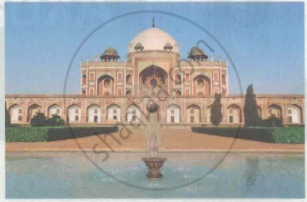
Where is this monument located?
Fill in the blank:
Bijapur was annexed in _______.
Answer the following question briefly:
Who were the Sikhs?
Answer the following question briefly:
Briefly describe Aurangzeb's clash with the Sikhs.
Shah Jahan’s reign is often referred to as the ______ of the Mughal empire.
