Advertisements
Advertisements
प्रश्न
|
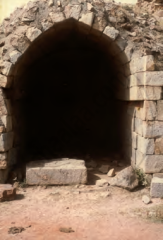
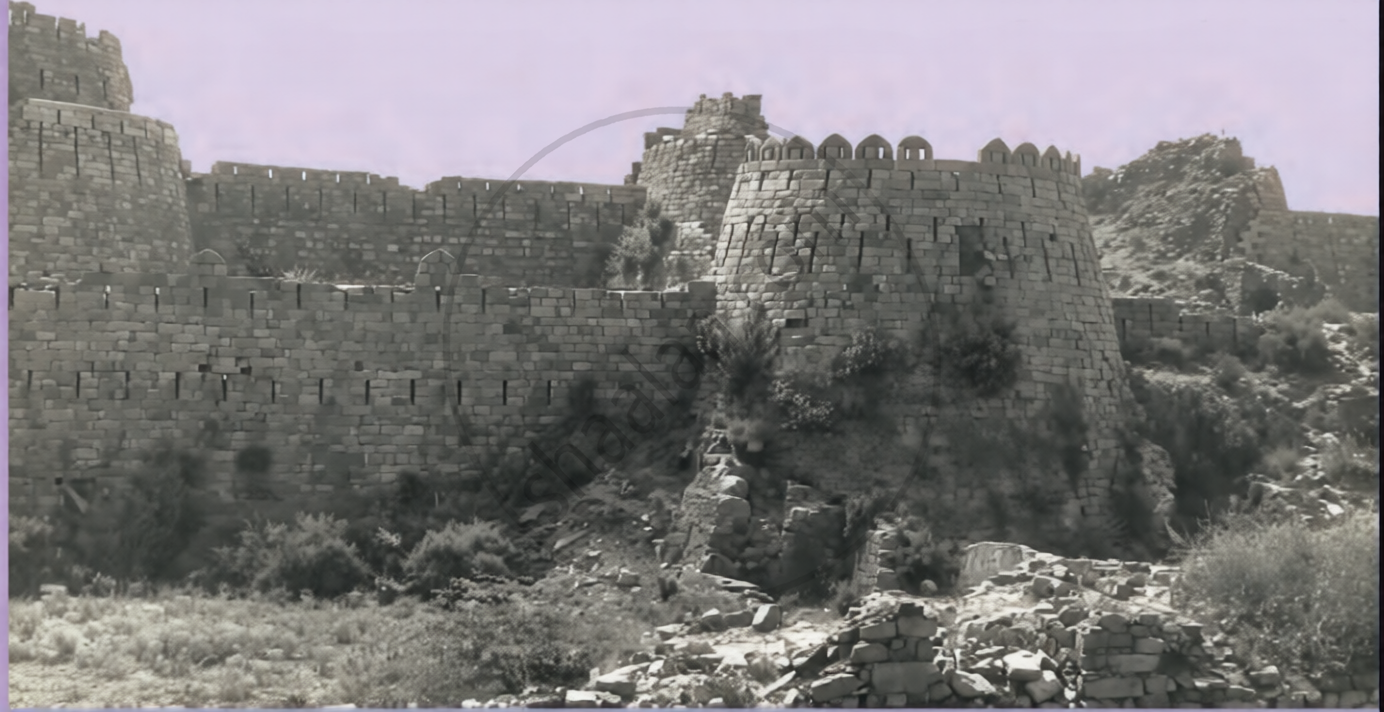
Here is an excerpt from Ibn Battuta’s account of Delhi, often spelt as Dehli in texts of the period: The city of Dehli covers a wide area and has a large population ... The rampart round the city is without parallel. The breadth of its wall is eleven cubits; and inside it are houses for the night sentry and gatekeepers. Inside the ramparts, there are storehouses for storing edibles, magazines, ammunition, ballistas and siege machines. The grains that are stored (in these ramparts) can last for a long time, without rotting ... In the interior of the rampart, horsemen as well as infantrymen move from one end of the city to another. The rampart is pierced through by windows which open on the side of the city, and it is through these windows that light enters inside. The lower part of the rampart is built of stone; the upper part of bricks. It has many towers close to one another. There are twenty-eight gates of this city which are called darwaza, and of these, the Budaun darwaza is the greatest; inside the Mandwi darwaza there is a grain market; adjacent to the Gul darwaza there is an orchard ... It (the city of Dehli) has a fine cemetery in which graves have domes over them, and those that do not have a dome, have an arch, for sure. In the cemetery they sow flowers such as tuberose, jasmine, wild rose, etc.; and flowers blossom there in all seasons. An arch in Tughlakabad, Delhi
Part of the fortification wall of the settlement
|
What were the architectural features that Ibn Battuta noted?
Compare this description with the illustrations of the city shown in Figs. An arch in Tughlakabad, Delhi and Part of the fortification wall of the settlement.
Advertisements
उत्तर
- Ibn Battuta highlighted several unique architectural and defensive features:
- The Massive Rampart (Wall): A parallel-less, wide defensive wall made of stone at the bottom and bricks on top. It was eleven cubits thick.
- Functional Chambers: The inside of the wall housed rooms for night watchmen, gatekeepers, and massive storehouses for ammunition and grains.
- Windows for Light: The thick wall was pierced with window openings facing the city side to let in natural light.
- Defensive Towers: Numerous watchtowers were built very close to each other along the wall.
- City Gates (Darwazas): The city had 28 massive gates. The Budaun Darwaza was the largest, and others like the Mandwi Darwaza housed grain markets inside.
- Cemetery Structures: The city had a beautiful cemetery where graves featured distinct domes or arches surrounded by seasonal flowers.
- The textual description matches perfectly with the visual evidence in the figures:
- The Arch: This corresponds directly to his mention of cemetery or city gates having grand architectural arches as a major design element.
- The Fortification Wall: This strongly validates his description of the rampart. The image clearly shows the heavy, rugged stone blocks used to build the lower structure of the city’s massive defensive walls.
