Advertisements
Advertisements
प्रश्न
Discuss how Anti-Partition Movement gave a stimulus to indigeneous industries.
Advertisements
उत्तर
The National leaders of Anti-Partition Movement adopted Boycott as the strongest weapons agairtst the partition of Bengal. It gave a stimulus to the growth of indigenous industries. Many factories, mills and business establishment were set-up. Articles of daily use were manufactured in India. Swadeshi textile mills, match and soap factories, tanneries and potteries sprung up everywhere P.C. Ray set-up his Bengal Chemicals Factory. The Tata Iron and Steel Factory was set up only by IndiAnswer: All foreign help of men and money was turned down. Swadeshi movement also helped to unite the Moderates and the Assertives.
संबंधित प्रश्न
What was the main impact of the partition of Bengal on the national movement?
Which countries used the idea of Swadeshi and Boycott before it was used in the Indian National Movement?
Who was Anandamohan Bose? For what is he remembered?
Give two reasons for the partial failure of the Swadeshi Movement.
Give two examples to show how the Swadeshi Movement gave stimulus to native industries.
Briefly describe how the partition of Bengal led to die separatist tendency between the Hindus and Muslims.
How did the Nationalists interpret Lord Curzon’s motives?
Answer the following:
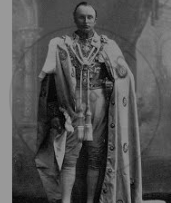
(i) Name the person in the picture given alongside.
(ii) Which event the person showing in the picture was associated with? What justification he give for that incident.
The Indian National Movement is divided into three phases. With reference to the Second Phase of the Indian National Movement, answer the following question:
Mention any two points to explain the perspective of the Nationalists regarding the actual motive behind the decision of partition.
State the reaction of the masses to the proclamation of the Partition of Bengal.
