Advertisements
Advertisements
प्रश्न
Answer the following:
(i) Identify the male personality in the given picture.
(ii) Mention four ideological tenets of this Indian leader.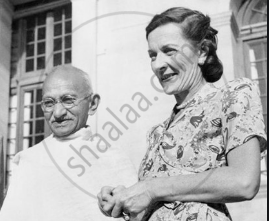
Advertisements
उत्तर
(i) Mahatma Gandhi.
(ii) Four ideological tenets of this Indian leader are:
(a) Non-violence (b) Satyagraha
(c) Swadeshi (d) Truth
संबंधित प्रश्न
When and where was Gandhiji born? What was his full name?
Why did Gandhiji put emphasis on manual labour and Charkha?
Name the Act by the British Government in the year 1919, which gave them the authority to arrest and detain suspected Indians.
Who was the British General, responsible for ‘The Jallianwala Bagh Massacre’?
What do you understand by the term Non-Cooperation?
When and where was the resolution to start the Non-Cooperation Movement launched?
What did the Khilafat Movement consist of?
What was the reaction of the Indians to the Rowlatt Act?
What did the Non-Cooperation Movement consist of?
Why was the Non-Cooperation Movement withdrawn? How did this decision lead to the formation of the Swaraj Party?
