Topics
What, Where, How and When?
- Finding Out What Happened
- What Can We Know About the Past?
- Where Did People Live?
- Names of the Land
- Finding Out About the Past
- One Past Or Many?
- What Do Dates Mean?
The Earth in the Solar System
Understanding Diversity
- What Does Diversity Add to Our Lives?
- Diversity in India
- Unity in Diversity
Introduction: Why Social Science ?
Our Past 1 (History)
From Hunting–Gathering to Growing Food
- The Earliest People: Why Were They on the Move?
- How Do We Know About These People?
- Choosing a Place to Live in
- Finding Out About Fire
- A Changing Environment
- The Beginning of Farming and Herding
- A New Way of Life
- Storing Animals
- Finding Out About the First Farmers and Herders
- Towards a Settled Life
- Living and Dying in Mehrgarh
Diversity and Discrimination
- Difference and Prejudice
- Stereotypes
- Inequality and Discrimination
- On Being Discriminated Against
- Striving for Equality
Globe : Latitudes and Longitudes
- Globe
- Concept of Latitudes
- Heat Zones of the Earth
- Concept of Longitudes
- Longitude and Time
- Standard Time
Locating Places on the Earth
The Earth: Our Habitat (Geography)
Motions of the Earth
- Motions of the Earth
Oceans and Continents
Social and Political Life - 1
In the Earliest Cities
- The Story of Harappa
- Houses, Drains and Streets
- Life in the City
- New Crafts in the City
- In Search of Raw Materials
- Food for People in the Cities
- Harappa Towns in Gujarat
- The Mystery of the End
What is Government?
- Levels of Government
- Laws and the Government
- Types of Government
- Democratic Governments
Maps
- Maps - Our Companions
- Map Reading
- Map - Symbols
- Map - Sketch
- Map - Plan
What Books and Burials Tell Us
- One of the Oldest Books in the World
- How Historians Study the Rigveda
- Cattle, Horses and Chariots
- Words to Describe People
- Silent Sentinels - the Story of the Megaliths
- Finding Out About Social Differences
- Were Some Burial Spots Meant for Certain Families?
- A Special Burial at Inamgaon
- Occupations at Inamgaon
Landforms and Life
Key Elements of a Democratic Government
- Participation
- Need to Resolve Conflict
- Equality and Justice
Timeline and Sources of History
Kingdoms, Kings and an Early Republic
- How Some Men Became Rulers
- Janapadas
- Mahajanapadas
- Tax
- Changes in Agriculture
- Magadha
- Vajji
Major Domains of the Earth
- Lithosphere
- Continents
- Hydrosphere
- Atmosphere and Its Layers
- Biosphere: The Domain of Life
Panchayati Raj
- Gram Sabha
- The Gram Panchayat
- Three Levels of Panchayats
Rural Administration
- Area of the Police Station
- The Work at the Police Station
- Maintenance of Land Records
- A New Law (Hindu Succession Amendment Act, 2005)
Major Landforms of the Earth
- Mountains
- Plains
- Landforms and People
India, That is Bharat
New Questions and Ideas
- The Story of the Buddha
- Upanishads
- Jainism
- The Sangha
- Monasteries
Our Country – India
- Locational Setting: Area, Latitudinal and Longitudinal Extent of India
- India's Neighbour
- Political and Administrative Divisions
- Physical Divisions of Europe
Urban Administration
- The Ward Councillor and Administrative Staff
- A Community Protest
The Beginnings of Indian Civilisation
Ashoka, the Emperor Who Gave up War
- A Very Big Kingdom = an Empire
- How Are Empires Different from Kingdoms?
- Ruling the Empire
- Ashoka, a Unique Ruler
- Ashoka's War in Kalinga
- Ashoka's Dhamma
Vital Villages, Thriving Towns
- Iron Tools and Agriculture
- Other steps to increase production: irrigation
- Who Lived in the Villages?
- Finding Out About Cities: Stories, Travellers, Sculpture and Archaeology
- Coins
- Cities with Many Functions
- Crafts and Crafts Persons
- Arikamedu
Rural Livelihoods
- Kalpattu Village
- On Being in Debt
- Ramalingam and Karuthamma
- Agricultural Labourers and Farmers in India
- Rural Livelihoods
India : Climate, Vegetation and Wildlife
- Climate
- Introduction of Natural Vegetation
- Why Are Forests Necessary?
- Wild Life
India's Cultural Roots
Traders, Kings and Pilgrims
- How to Find Out About Trade and Traders
- New Kingdoms Along the Coasts
- The Story of the Silk Route
- The Spread of Buddhism
- The Quest of the Pilgrims
- The Beginning of Bhakti
Urban Livelihoods
- Working on the Street
- Businesspersons
- In the Factory-workshop Area
- In the Office Area
Unity in Diversity, or 'Many in the One'
New Empires and Kingdoms
- Samudragupta’s Prashasti
- Genealogies
- Harshavardhana and the Harshacharita
- The Pallavas, Chalukyas and Pulakeshin’s Prashasti
- How Were These Kingdoms Administered?
- A New Kind of Army
- Assemblies in the southern kingdoms
- Ordinary People in the Kingdoms
Family and Community
Grassroots Democracy - Part 1: Governance
Buildings, Paintings and Books
- The Iron Pillar
- Buildings in Brick and Stone
- How Were Stupas and Temples Built?
- Painting
- The World of Books
- Recording and Preserving Old Stories
- Stories Told by Ordinary People
- Writing Books on Science
Grassroots Democracy - Part 2: Local Government 163 in Rural Areas
Grassroots Democracy - Part 3: Local Government in Urban Areas
The Value of Work
Economic Activities Around Us
Maharashtra State Board: Class 5
Hydrosphere:
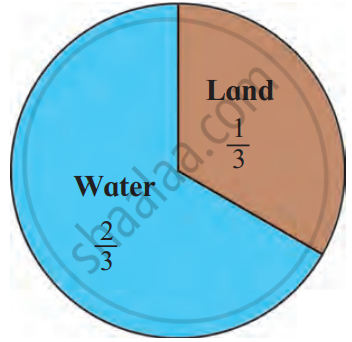
Two-thirds of the water on Earth's surface is in oceans. Ocean water is salty and divided into five oceans: Atlantic, Pacific, Arctic, Southern, and Indian. Coastal region refers to land along ocean margins. Coastal regions contain various water bodies like the sea, bay, strait, gulf, and creek. The hydrosphere covers about 71% of the Earth's surface.
Related QuestionsVIEW ALL [11]
Match the Following.
| 1 | Rivers | Large streams |
| 2 | Waterfall | Atlantic |
| 3 | Oceans | Courtallam |
| 4 | Sambhar lake | India |
| 5 | Langoon | Rajasthan |
