Please select a subject first
Advertisements
Advertisements
What kinds of wastes are incinerated?
Concept: undefined >> undefined
Advertisements
State the initiatives taken by the Government of India to reduce the pollution caused by the industries covered under TTZ.
Concept: undefined >> undefined
What do you mean by land reform legislation?
Concept: undefined >> undefined
Write three objectives of land reforms which helped the landless people.
Concept: undefined >> undefined
Answer the following questions based on the image given below:
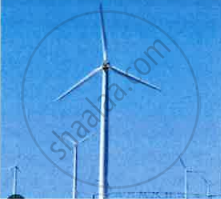
- Name the structure that is seen in the above image.
- What are the merits and demerits of the above structure?
Concept: undefined >> undefined
State the causes for the imbalance of food supply in the World.
Concept: undefined >> undefined
| In a tragic incident, a tiger died after being hit by a vehicle in Nagzira Wildlife Sanctuary in Maharashtra. The incident reportedly happened in the buffer zone in Murdoli. |
- Nagzira Wildlife Sanctuary is an example of which type of conservation and write two advantages of this conservation.
- Why did the incident happen in the buffer zone?
Concept: undefined >> undefined
How does GEF help in bringing about sustainability?
Concept: undefined >> undefined
Catalytic converter in vehicles is used for controlling ______.
Concept: undefined >> undefined
The species of animals which are at high risk of endangerment in the wild are called ______.
Concept: undefined >> undefined
The Ramsar Convention, 1971, an International Treaty was held for the conservation of ______.
Concept: undefined >> undefined
The energy generated from the earth is called ______.
Concept: undefined >> undefined
______ helps people to understand the need for controlling population.
Concept: undefined >> undefined
Which of the following is not an ingredient of vehicular pollution?
Concept: undefined >> undefined
How can public transport system help to safeguard our environment?
Concept: undefined >> undefined
"In most cities increasingly CNG is used as a fuel in vehicles." Give five appropriate reasons for your answer.
Concept: undefined >> undefined
