मराठी

SSC (English Medium) इयत्ता १० वी - Maharashtra State Board Important Questions for Science and Technology 2

Advertisements
[object Object]
[object Object]
विषय
मुख्य विषय
अध्याय
Advertisements
Advertisements
Science and Technology 2
< prev  181 to 200 of 357  next > 

Write in brief about progressive changes in animal classification.

Appears in 1 question paper
Chapter: [6] Animal Classification
Concept: Criteria for New System of Classification > Grades of Organization

Re-write the statement by selecting the appropriate option.
Due to which similar characteristic honey bee and cockroach are included in the same phylum?

Appears in 1 question paper
Chapter: [6] Animal Classification
Concept: Non Chordates (Invertebrata) >> Phylum: Annelida

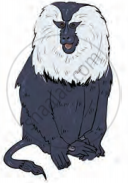
Identify the class of the animal shown in the figure and write any two characteristics.

Appears in 1 question paper
Chapter: [6] Animal Classification
Concept: Non Chordates (Invertebrata) >> Phylum: Echinodermata

Write the correct co-relation:

Annelida: Earthworm :: Platyhelminthes: _______

Appears in 1 question paper
Chapter: [6] Animal Classification
Concept: Criteria for New System of Classification > Grades of Organization

Which of the following is a hermaphrodite animal?

Appears in 1 question paper
Chapter: [6] Animal Classification
Concept: Non Chordates (Invertebrata) >> Phylum: Hemichordata

Which of the following animals has a hard calcareous shell?

Appears in 1 question paper
Chapter: [6] Animal Classification
Concept: Non Chordates (Invertebrata) >> Phylum: Mollusca

Tapeworm : Phylum Platyhelminthes : : Intestinal worms : _____________

Appears in 1 question paper
Chapter: [6] Animal Classification
Concept: Non Chordates (Invertebrata) >> Phylum: Aschelminthes

Petromyzon is an endoparasite.

Appears in 1 question paper
Chapter: [6] Animal Classification
Concept: Non Chordates (Invertebrata) >> Phylum: Aschelminthes

Draw a neat and labelled diagram.

Liver Fluke

Appears in 1 question paper
Chapter: [6] Animal Classification
Concept: Non Chordates (Invertebrata) >> Phylum: Platyhelminthes

Answer the questions based on the given paragraph.

Lady Bug Beetle

            Lady bug beetles are friends of farmers as they destroy harmful insects. It is a predatory insect, which lives on biting worm, white fly worm, white moth, flower insects and bread worms. It acts as a natural insecticide for crops like maize, jawar, cotton, sugarcane, cereals, vegetables, fruit trees, etc. These are attractive red or yellow or grey coloured insects. Many species of this insect are found in our farms. The lifecycle of this insect follows eggs, larvae, cocoon and moth stages. The eggs are found in flutter. The larvae are grey in colour. Larvae and adults both live on sucking insects.

  1. How does the lady bug beetle live?
  2. Of which colour the lady bug beetles are?
  3. State the stages of its lifecycle.
  4. How does it help the farmers?
Appears in 1 question paper
Chapter: [6] Animal Classification
Concept: Non Chordates (Invertebrata) >> Phylum: Arthropoda

Give a scientific reason.

Cockroach belongs to phylum Arthropoda.

Appears in 1 question paper
Chapter: [6] Animal Classification
Concept: Non Chordates (Invertebrata) >> Phylum: Arthropoda

Complete the paragraph using proper words:

(Asymmetrical, Paramecium, Equal, imaginary, central, insects, rats, bird, three, unequal)

If body of any animal is cut through ______ axis of body, it may or may not produce two equal halves. Depending upon this property, there are different types of animal bodies. In the case of ______ body, there is no any such imaginary axis of the body through which we can get two equal halves. For example Amoeba, ______ some sponges. In radial symmetry type of body, if imaginary cut passes through central axis but any plane of body, it gives two ______ halves. For example Starfish. In case of this animal, there are five different planes passing through ______ axis of body through which we can get two equal halves. In Bilateral symmetry type of body, there is only one such imaginary axis of body through which we can get two equal halves. For example: ______ fishes, frog, birds, human, etc.

Appears in 1 question paper
Chapter: [6] Animal Classification
Concept: Criteria for New System of Classification > Grades of Organization

Write the correct co-relation.

Butterfly : Arthropoda : : Earthworm : ______.

Appears in 1 question paper
Chapter: [6] Animal Classification
Concept: Non Chordates (Invertebrata) >> Phylum: Arthropoda

Explain the following concept in short:

Asymmetrical body

Appears in 1 question paper
Chapter: [6] Animal Classification
Concept: Traditional Method of Animal Classification

Explain the following concept in short:

Bilaterally symmetrical body

Appears in 1 question paper
Chapter: [6] Animal Classification
Concept: Traditional Method of Animal Classification

Sponges have special cells present on their body, they are known as ______ cells.

Appears in 1 question paper
Chapter: [6] Animal Classification
Concept: Non Chordates (Invertebrata) >> Phylum: Porifera

Name the asexual reproductive structures of Sponges.

Appears in 1 question paper
Chapter: [6] Animal Classification
Concept: Non Chordates (Invertebrata) >> Phylum: Porifera

Animal with bilateral symmetry in ______.

Appears in 1 question paper
Chapter: [6] Animal Classification
Concept: Criteria for New System of Classification > Grades of Organization

Cockroach, Frog, Sparrow, Starfish, from these animals which can regenerate its broken body part?

Appears in 1 question paper
Chapter: [6] Animal Classification
Concept: Non Chordates (Invertebrata) >> Phylum: Echinodermata

Example of phylum Arthropoda is ______.

Appears in 1 question paper
Chapter: [6] Animal Classification
Concept: Non Chordates (Invertebrata) >> Phylum: Arthropoda
< prev  181 to 200 of 357  next > 
Advertisements
Advertisements
Maharashtra State Board SSC (English Medium) इयत्ता १० वी Important Questions
Important Questions for Maharashtra State Board SSC (English Medium) इयत्ता १० वी Algebra
Important Questions for Maharashtra State Board SSC (English Medium) इयत्ता १० वी English
Important Questions for Maharashtra State Board SSC (English Medium) इयत्ता १० वी English (Second/Third Language)
Important Questions for Maharashtra State Board SSC (English Medium) इयत्ता १० वी Geography
Important Questions for Maharashtra State Board SSC (English Medium) इयत्ता १० वी Geometry Mathematics 2
Important Questions for Maharashtra State Board SSC (English Medium) इयत्ता १० वी Hindi
Important Questions for Maharashtra State Board SSC (English Medium) इयत्ता १० वी Hindi (Second/Third Language) [हिंदी (दूसरी/तीसरी भाषा)]
Important Questions for Maharashtra State Board SSC (English Medium) इयत्ता १० वी Hindi - Composite [हिंदी - संयुक्त]
Important Questions for Maharashtra State Board SSC (English Medium) इयत्ता १० वी History and Political Science
Important Questions for Maharashtra State Board SSC (English Medium) इयत्ता १० वी Marathi (Second Language) [मराठी (द्वितीय भाषा)]
Important Questions for Maharashtra State Board SSC (English Medium) इयत्ता १० वी Marathi - Composite [[मराठी - संयुक्त (द्वितीय भाषा)]
Important Questions for Maharashtra State Board SSC (English Medium) इयत्ता १० वी Sanskrit (Second Language) [संस्कृत (द्वितीय भाषा)]
Important Questions for Maharashtra State Board SSC (English Medium) इयत्ता १० वी Sanskrit - Composite [संस्कृत - संयुक्त (द्वितीय भाषा)]
Important Questions for Maharashtra State Board SSC (English Medium) इयत्ता १० वी Science and Technology 1
Important Questions for Maharashtra State Board SSC (English Medium) इयत्ता १० वी Science and Technology 2
Share
Notifications

Englishहिंदीमराठी


      Forgot password?
Use app×