Advertisements
Advertisements
प्रश्न
Write a description of the challenges for democracy in the following situations.
|
Case and Context
|
Your description of the challenges for democracy in that situation |
|
Chile: General Pinochet's government was defeated, but military was still in control of many institutions. |
|
|
Poland: After the first success of solidarity, the government imposed martial law and banned solidarity. |
|
|
Ghana: Just attained independence, Nkrumah elected the President.
|
|
|
Mynamar: Suu Kyi under house arrest for more than 15 years, army rulers getting global acceptance.
|
|
|
International Organisations: US as the only superpower disregards the UN and takes unilateral action. |
|
|
Mexico: Second free election after the defeat of PRI in 2000; defeated candidates alleges rigging. |
|
|
China: The Communist party adopts economic reforms but maintains a monopoly over political power. |
|
|
Pakistan: General Musharraf holds referendum, allegations of fraud in the voter's list. |
|
|
Iraq: Widespread sectarian violence as the new government fails to establish its authority. |
|
|
South Africa: Mandela retires from active politics; pressure on his successor Mbeki to withdraw some concessions given to the white minority. |
|
|
US, Guantanamo Bay: UN Secretary General calls this a violation of international law; US refused to respond. |
|
|
Saudi Arabia: Women were not allowed to take part in public activities, no freedom of religion for the minority. |
|
|
Yugoslavia: Ethnic tension between Serbs and Albanians on the rise in the province of Kosovo; Yugoslavia disintegrated. |
|
|
Belgium: One round of constitutional change taken place, but the Dutch speakers not satisfied; they want more autonomy. |
|
|
Sri Lanka: Peace talks between the government and LTTE breaks down, renewed violence. |
|
|
US, Civil Rights: Blacks have won equal rights, but they are still poor, less educated and marginalised. |
|
|
Northern Ireland: The civil war has ended but Catholics and Protestants yet to develop trust. |
|
|
Nepal: Constituent Assembly about to be elected; unrest in Taraiareas; Maoists have not surrendered arms. |
|
|
Bolivia: Morales, a supporter of water struggle, becomes the Prime Minister, MNC's threaten to leave the country. |
Advertisements
उत्तर
|
Case and Context
|
Your description of the challenges for democracy in that situation |
|
Chile: General Pinochet's government was defeated, but military was still in control of many institutions. |
(Example) Establishing civilian control over all governmental institutions, holding the first multi-party elections, recalling all political leaders from exile. |
|
Poland: After the first success of solidarity, the government imposed martial law and banned solidarity. |
Establishing political freedom of the people of the country, restoration of democracy and holding of free and fair elections. |
|
Ghana: Just attained independence, Nkrumah elected the President.
|
To strengthen the roots of democracy and to curb the growing political power of the military. |
|
Mynamar: Suu Kyi under house arrest for more than 15 years, army rulers getting global acceptance.
|
To weaken the political power of military and restore democracy. To give the freedom of speech and expression to people. |
|
International Organisations: US as the only superpower disregards the UN and takes unilateral action. |
To give equal voting rights to all member nations of the world. |
|
Mexico: Second free election after the defeat of PRI in 2000; defeated candidates alleges rigging. |
To hold free and fair elections without any malpractices and influence of the reigning government. |
|
China: The Communist party adopts economic reforms but maintains a monopoly over political power. |
To hold multiparty free and fair elections. |
|
Pakistan: General Musharraf holds referendum, allegations of fraud in the voter's list. |
To eliminate fraud malpractices during referendum and elections. |
|
Iraq: Widespread sectarian violence as the new government fails to establish its authority. |
To prevent the killings based on sects. |
|
South Africa: Mandela retires from active politics; pressure on his successor Mbeki to withdraw some concessions given to the white minority. |
To prevent the domination of majority community over the minority community. |
|
US, Guantanamo Bay: UN Secretary General calls this a violation of international law; US refused to respond. |
To prevent the domination of the world body like UNO from domination of influential, rich and powerful countries like USA |
|
Saudi Arabia: Women were not allowed to take part in public activities, no freedom of religion for the minority. |
To establish the principle of universal adult franchise and the freedom to practice ones own religion. |
|
Yugoslavia: Ethnic tension between Serbs and Albanians on the rise in the province of Kosovo; Yugoslavia disintegrated. |
To minimize social differences and social divisions in disintegrated Yugoslavia and to establish the principle of power sharing. |
|
Belgium: One round of constitutional change taken place, but the Dutch speakers not satisfied; they want more autonomy. |
To give equal political rights to both the Dutch and French speaking communities. To prevent the partition of the country on linguistic basis. |
|
Sri Lanka: Peace talks between the government and LTTE breaks down, renewed violence. |
To prevent a civil war, the brutal state supported violence on the sectarian minority community. |
|
US, Civil Rights: Blacks have won equal rights, but they are still poor, less educated and marginalised. |
To establish economic equality and provide equal opportunities of education and health facilities to all including blacks. |
|
Northern Ireland: The civil war has ended but Catholics and Protestants yet to develop trust. |
To provide equal political, religious and economic freedom to both the communities. |
|
Nepal: Constituent Assembly about to be elected; unrest in Taraiareas; Maoists have not surrendered arms. |
To establish and strengthen democracy and to prevent violence that can threaten the forces of democracy. |
|
Bolivia: Morales, a supporter of water struggle, becomes the Prime Minister, MNC's threaten to leave the country. |
To establish democratic principles, which are beneficial to each and every section of society. |
संबंधित प्रश्न
“A challenge is an opportunity for progress”. Support the statement with your arguments
"Most of the established democracies are facing the challenge of expansion." Support the statement with examples.
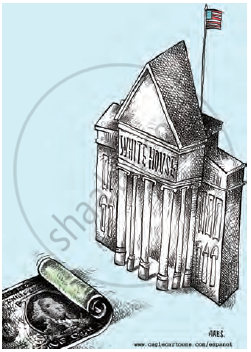
This cartoon represents a challenge to democracy. Please describe what that challenge is. Also place it in one of the three categories mentioned below.
- foundational challenge to democracy
- challenge of expansion of democracy
- challenge of deepening of democracy

This cartoon represents a challenge to democracy. Please describe what that challenge is. Also place it in one of the three categories mentioned below.
- foundational challenge to democracy
- challenge of expansion of democracy
- challenge of deepening of democracy

This cartoon represents a challenge to democracy. Please describe what that challenge is. Also place it in one of the three categories mentioned below.
- foundational challenge to democracy
- challenge of expansion of democracy
- challenge of deepening of democracy
Given below are some spheres or sites of democratic politics. You may place against each of these the specific challenges that you noted for one or more countries or cartoons in the previous section. In addition to that write one item for India for each of these spheres. In case you find that some challenges do not fit into any of the categories given below, you can create new categories and put some items under that.
|
Constitutional design |
|
|
Democratic rights |
|
|
Working of institutions |
|
|
Elections |
|
|
Federalism, decentralization |
|
|
Accommodation of diversity |
|
|
Political Organisation |
|
|
Religious and equality |
Let us group these again, this time by the nature of these challenges as per the classification suggested in the first section. For each of these categories, find at least one example from India as well.
|
Foundational Challenge |
|
|
Challenge of Expansion |
|
|
Challenge of deepening |
Now let us think only about India. Think of all the challenges that democracy faces in contemporary India. List those five that should be addressed first of all. The listing should be in order of priority, i.e, the challenge you find most important or pressing should be mentioned at number 1, and so on. Give one example of that challenge and your reasons for assigning it the priority.
| Priority |
Challenges to democracy |
Example |
Reasons for Preference |
| 1 | |||
| 2 | |||
| 3 | |||
| 4 | |||
| 5 |
Write a description of the challenges for democracy in the following situations.
|
Case and Context
|
Your description of the challenges for democracy in that situation |
|
Mexico: Second free election after the defeat of PRI in 2000; defeated candidates alleges rigging. |
|
|
China: The Communist party adopts economic reforms but maintains a monopoly over political power. |
|
|
Pakistan: General Musharraf holds referendum, allegations of fraud in the voter's list. |
|
|
Iraq: Widespread sectarian violence as the new government fails to establish its authority. |
|
|
South Africa: Mandela retires from active politics; pressure on his successor Mbeki to withdraw some concessions given to the white minority. |
|
|
US, Guantanamo Bay: UN Secretary General calls this a violation of international law; US refused to respond. |
|
|
Saudi Arabia: Women were not allowed to take part in public activities, no freedom of religion for the minority. |
|
|
Yugoslavia: Ethnic tension between Serbs and Albanians on the rise in the province of Kosovo; Yugoslavia disintegrated. |
|
|
Belgium: One round of constitutional change taken place, but the Dutch speakers not satisfied; they want more autonomy. |
|
|
Sri Lanka: Peace talks between the government and LTTE breaks down, renewed violence. |
|
|
US, Civil Rights: Blacks have won equal rights, but they are still poor, less educated and marginalised. |
|
|
Northern Ireland: The civil war has ended but Catholics and Protestants yet to develop trust. |
|
|
Nepal: Constituent Assembly about to be elected; unrest in Taraiareas; Maoists have not surrendered arms. |
|
|
Bolivia: Morales, a supporter of water struggle, becomes the Prime Minister, MNC's threaten to leave the country. |
Explain the meaning of transparency in democracy.
