Advertisements
Advertisements
प्रश्न
This is the picture of the Father of our Nation, who championed the cause of the poor and downtrodden people in India.
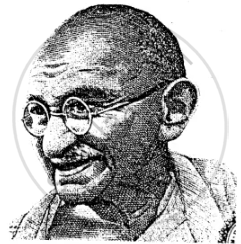
Mention any two of his ideas that were included in the Directive Principles of State Policy.
Advertisements
उत्तर
- Provide free and compulsory educations for all children up to the age of 14.
- Promote cottage industries in villages.
संबंधित प्रश्न
Important Words: Directive Principles of State Policy
Answer the following question:
Mention any five Directive Principles.
Choose the correct answer:
The Directive Principles can be classified into _______
Answer the following question in one or two words/ sentences:
Mention the categories into which Directive Principles can be classified.
Answer the following question in one or two words/sentences:
Why can you not seek justice in a court of law if the government does not give you a job?
When the Directive Principles are not enforceable by law courts why have they been incorporated in the Constitution.
How do the Directive Principles reflect the ideals stated in the Preamble?
How is the spirit of the Directive Principles reflected in the Five Year Plans?
With reference to the Directive Principles of State Policy, explain the following:
Meaning and Purpose of the Directive Principles.
With reference to the Directive Principles of State Policy, explain the following:
Nature or Characteristics of the Directive Principles.
