Advertisements
Advertisements
प्रश्न
State whether True or False:
The chromosome number in germ cells producing the gametes are diploid.
पर्याय
True
False
Advertisements
उत्तर
This statement is True.
APPEARS IN
संबंधित प्रश्न
State whether the following statement is true (T) or false (F):
The plumule of an embryo gives rise to the root system.
Define the term Gamete.
Mention the function of Seeds.
The middle piece of sperm provides:
Name the following:
Organ producing sperms.
Define the following:
Spermatogenesis
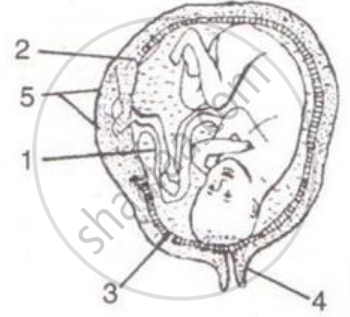
The diagram given below is that of a developing human foetus in the womb. Study the same and answer the question that follow:
What term is given to the period of development of the foetus in the womb?
Give Reasons
A large number of sperms are required for fertilizing one egg.
Differentiate
Isogametes and Heterogametes.
Complete the following sentences with appropriate word:
___________ hormones are secreted by the interstitial cells.
Mention, if the following statement is True or False. If false rewrite the wrong statement in its correct form:
Vas deferens transports sperms into the urethra.
How many hours are required for the process of capacitation?
Choose the odd one out from the group of terms given below and write the category for the remaining terms:
During copulation, approximately how much semen containing how many spermatozoa is deposited in the vagina?
What is the meiotic stage of the ovum at the time of ovulation?
How long after ovulation can the ovum be fertilized?
What are the two sequential blocks that prevent polyspermy?
