Advertisements
Advertisements
प्रश्न
Match the following.
| PHYLUM | EXAMPLES | ||
| (A) | Coelenterata | (i) | Snail |
| (B) | Platyhelminthes | (ii) | Starfish |
| (C) | Echinodermata | (iii) | Tapeworm |
| (D) | Mollusca | (iv) | Hydra |
जोड्या लावा/जोड्या जुळवा
Advertisements
उत्तर
| PHYLUM | EXAMPLES | ||
| (A) | Coelenterata | (iv) | Hydra |
| (B) | Platyhelminthes | (iii) | Tapeworm |
| (C) | Echinodermata | (ii) | selfish |
| (D) | Mollusca | (i) | Snail |
shaalaa.com
या प्रश्नात किंवा उत्तरात काही त्रुटी आहे का?
APPEARS IN
संबंधित प्रश्न
Sketch, label and classify a butterfly.
Label the following.
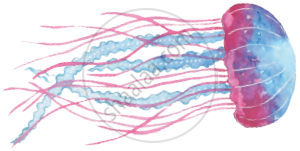
Tentacles are used for capturing the prey.
The body of the animal in which phylum is radially symmetrical and diploblastic?
To which phylum does it belong, if I have a sting to prick?
Why coelenterates are called diploblastic animals?
Provide appropriate technical term in the space provided.
Stinging organ of jelly fishes ______.
Match the following:
| Animals | Locomotory Organ |
| a. Octopus | i. Limbs |
| b. Crocodile | ii. Comb plates |
| c. Catla | iii. Tentacles |
| d. Ctenoplana | iv. Fins |
Differentiate between polyp and medusa
Name
An animal with cnidoblasts
