Advertisements
Advertisements
प्रश्न
Match the Column:
| Column A | Column B |
| 1. Nana Saheb | (a) confiscation of jagirs |
| 2. Bentinck and Dalhousie | (b) exiled to Rangoon |
| 3. Hindu and Muslim sepoys | (c) adopted son of Peshwa Baji Rao II |
| 4. Bahadur Shah Zafar | (d) Tantya Tope |
| 5. Commander Of Nana Saheb | (e) greased cartridges |
Advertisements
उत्तर
| Column A | Column B |
| 1. Nana Saheb | (c) adopted son of Peshwa Baji Rao II |
| 2. Bentinck and Dalhousie | (a) confiscation of jagirs |
| 3. Hindu and Muslim sepoys | (e) greased cartridges |
| 4. Bahadur Shah Zafar | (b) exiled to Rangoon |
| 5. Commander Of Nana Saheb | (d) Tantya Tope |
संबंधित प्रश्न
Numerous causes gave rise to the First War of Independence and its consequences led to several change in the British Government in India. In this context, answer the following:
State any four changes in the administration of the British Government as a consequence of the Revolt.
Mention any two objectives of the Indian National Army
Under what pretext was Oudh annexed to the Company’s dominion?
Why did the ‘Doctrine of Lapse’, become a political cause for the result of 1857?
“The introduction of Enfield Rifles was the major factor in causing the great upsurge of 1857.” Discuss.
With reference to the British rule in India, mention two economic factors, which became the causes of the First War of Independence, 1857.
Answer the following:
(i) Name the lady in the picture shown.
(ii) Which proclamation was passed by this lady and when?
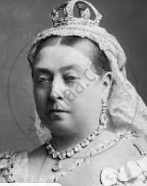
State whether the following is true or false:
The Revolt of 1857 had come as a shock to the British.
Answer the following question briefly:
In the context of the military causes of the Revolt of 1857. answer the following question:
Mention any three grievances that the sepoys had against their British masters.
Answer the following question:
How were the economic policies of the British responsible for the Revolt of 1857?
