Advertisements
Advertisements
प्रश्न
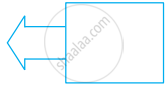
Draw the mirror image: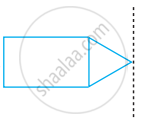
Advertisements
उत्तर

APPEARS IN
संबंधित प्रश्न
A( 4, 1 ), B(2,3) and C( 5,6) are the vertices of a figure which is symmetrical about x=7. Complete the figure and give the geometrical name of the figure if any.
In the figure given below, draw the line (s) of symmetry, if possible:
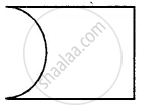
In the figure given below, draw the line (s) of symmetry, if possible:
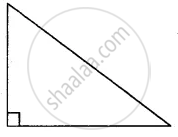
How many lines of symmetry does a rhombus have?
In the figure below are an isosceles triangle; state if the triangle is a symmetrical figure. If a figure is symmetrical, state the number of axis of symmetry and indicate them by dotted line.
In each of the figure below, state the number of axes of symmetry, if any.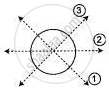
In each of the figure below, state the number of axes of symmetry, if any.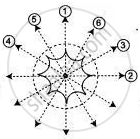
In each of the figure below, state the number of axes of symmetry, if any.
Draw the axes of symmetry of the figure below. Which of them has more than one axis of symmetry?
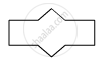
Draw the mirror image:
One day his clever daughter gave him an idea which he liked very much. Now he never got confused.
- Can you guess what the idea was?
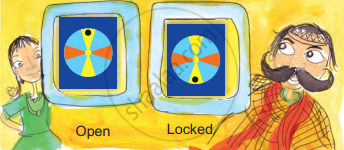
The king had many such lockers with different handles. Check if, on giving them half a turn, he can get confused with these too.
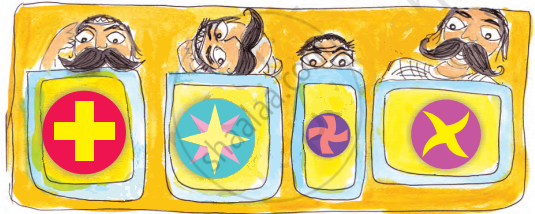
- What will you do to solve the problem for each of these?
Find out which letters in the English alphabet look the same after half a turn.
Identify the shape given below. Check whether they are symmetric or not. Draw the line of symmetry as well.
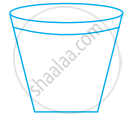
Which of the following has a line of symmetry?
Draw all lines of symmetry for the following figure as given below:

Draw all lines of symmetry for the following figure.

Draw all lines of symmetry for the following figure.
The flag of Japan is shown below. How many lines of symmetry does the flag have?

What relationship exists between the two halves of a symmetrical shape?
