Advertisements
Advertisements
प्रश्न
Define pollution. “Industries are pouring poison in water” - Explain
Advertisements
उत्तर
Definition : “Substances present in the air / water / soil produced by the activity of mankind in concentration sufficient to cause harmful effect to his health, vegetables, property or to interfere with the enjoyment of his property is called as pollution”.
(1) Most of the Indian rivers and fresh water streams are seriously polluted by industrial wastes and effluents. Such pollutants come along waste waters of different industries such as petrochemical complexes; fertilizer factories; oil refineries; pulp, paper, textile, sugar and steel mills, tanneries, distillaries, coal washeries, synthetic material plant for drugs, fibres, rubber, plastic etc.
(2) In India all the 14 rivers have become polluted. Some most polluted rivers in Maharashtra like Mula-Maratha in Pune, Panchganga in Kolhapur, Patalaganaga in Panvel are heavily polluted having a variety of industrial and petrochemical wastes. The river Ganga from Hardwar and Kolkata is regarded is one uneding sewer which is fit only to carry urban liquid wastes, half burnt dead bodies, pesticides and insecticides.
APPEARS IN
संबंधित प्रश्न
A large number of fish are suddenly found floating dead on a lake. There is no evidence of toxic dumping but you find an abundance of phytoplankton. Suggest a reason for the fish kill.
Study the picture given below and answer the following questions :
Water pollution
List two major harmful effects of the following:
Rivers contaminated with sewage.
List the three major sources of water pollution
Mention any two sources of water pollution.
Do not throw plastic garbage when you go near beaches.
Dissolved oxygen in water is responsible for aquatic life. What processes are responsible for the reduction in dissolved oxygen in water?
What are the causes of water pollution? Discuss how you can contribute to reducing water pollution.
Explain about oil spills.
Study the picture given below and answer the question:
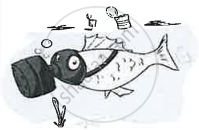
How does water get polluted?
