Advertisements
Advertisements
प्रश्न
Choose the correct answer:
The______makes education a Fundamental Right of every Indian child between the ages of 6 and 14 years.
पर्याय
Right to Education
Right against Exploitation
Right to Equality
Advertisements
उत्तर
The Right to Education makes education a Fundamental Right of every Indian child between the ages of 6 and 14 years.
संबंधित प्रश्न
Why are Fundamental Rights essential for us?
Fill in the blank:
Free and compulsory ________for all children between 6 and 14 years have been made a Fundamental Right.
Fill in the blanks:
Children below the age of ______ cannot be employed for any ________ work or in ___________ and __________.
Fill in the blank:
Fundamental Rights are universal, which means that they are granted to all the ____________ of India.
Choose the correct answer:
There are_____fundamental freedoms guaranteed to all Indian citizens.
State whether the following is true or false:
Rights enable everyone to maintain a dignified existence in society.
Answer the following questions briefly:
Why are certain basic rights guaranteed to all citizens in a democratic country?
Answer the following questions briefly:
How do the Fundamental Rights protect Indian citizens from exploitation?
This picture is a symbolic representation of a Fundamental Right.

How many Fundamental Rights are guaranteed to the people of India? Name them.
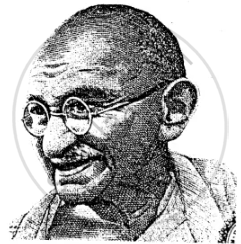
This is the picture of the Father of our Nation, who championed the cause of the poor and downtrodden people in India.
Mention one important difference between Fundamental Rights and Directive Principles.
